


The Graf systems we install let you collect and store rainwater off your own roof, so you rely far less on the mains for the garden, the yard and more.
From flat tanks for small domestic jobs to large systems for commercial sites, we size every installation to the property. Graf’s filtration keeps the stored water clean and suitable for a wide range of uses, and the tanks are built tough to sit underground for decades.
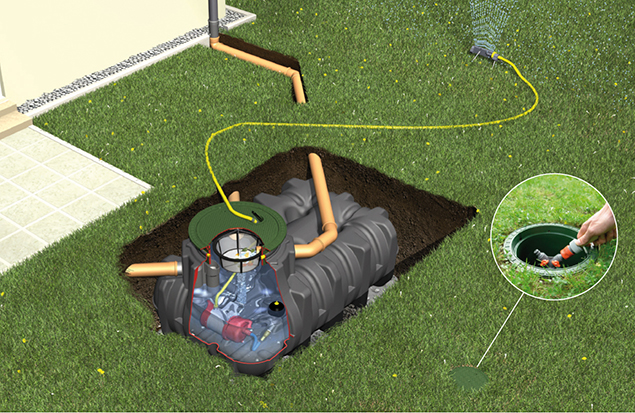
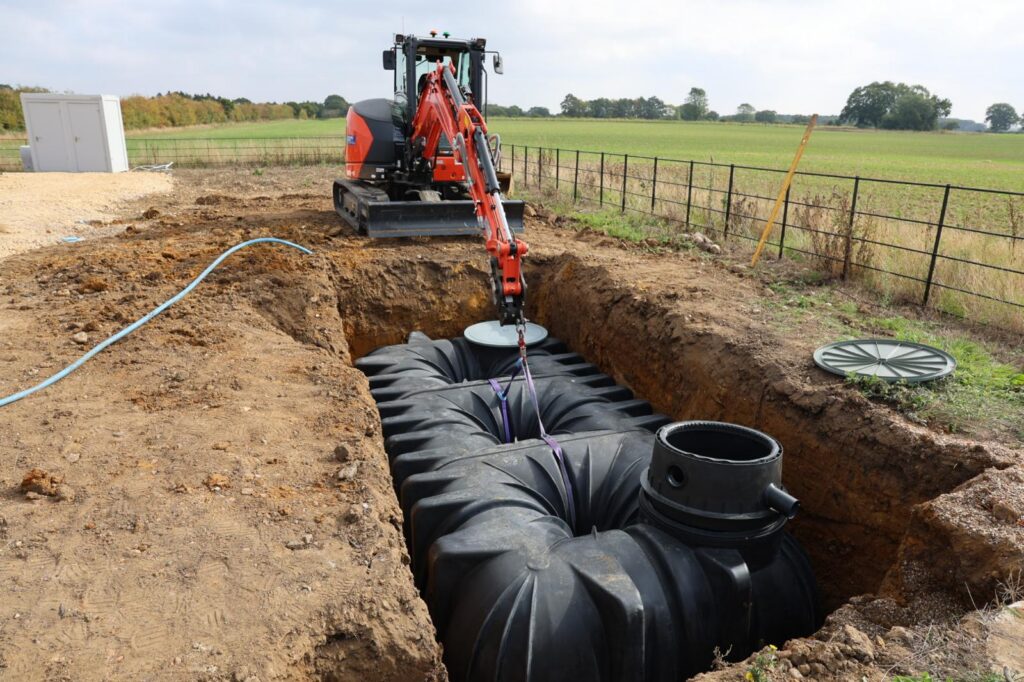

The Graf tanks we supply are made from completely recycled plastic and are manufactured to exacting standards.
Graf is the European leader in this industry, so our customers benefit from over 50 years of excellence and expertise.
Every property is different, so every job gets a bespoke, no-obligation quote. As a rough guide, a straightforward installation of a 3,000-litre Graf Platin underground system starts from around £5,000. The final figure depends on your site: how far the tank sits from the house, the depth of the dig, the ground conditions, and whether you want the water plumbed back indoors as well as used outside. Register your details or give us a call and we'll price it up properly for you.
Plenty. Outside, it's ideal for watering the garden, filling ponds, washing the car and cleaning down patios and machinery. Plumbed indoors (at additional cost), it can also feed toilets and washing machines, which is where the bigger savings on your mains water start to add up. It isn't for drinking, but for all the jobs that don't need water treated to drinking standard, it does the work well.
More than most people expect. A typical roof sheds thousands of litres of rain a year, and even a modest downpour adds up quickly across a large roof. Systems range from smaller above-ground butts up to underground tanks of 26,000 litres, so we size the tank to your roof, your usage and how much you want to keep in reserve for dry spells.
Because the water is yours, stored on your own property, you're not relying on the mains to keep the garden going or fill a pond. That independence is exactly why interest tends to rise when a ban is announced. Restrictions and any exemptions are set by your water company, so it's always worth checking their current rules.
A typical domestic underground system is usually completed within one to two days, depending on the tank size and the ground. In simple terms, we excavate for the tank, set it in place, connect it to your existing downpipes, and, if you're plumbing the water indoors, tie it into the relevant supplies. We walk you through exactly what's involved on your site as part of the quote, so there are no surprises on the day.
In most cases, a domestic rainwater system doesn't need planning permission, though it's worth checking if your property is listed or in a conservation area. If you're using rainwater indoors, the system has to be installed in accordance with the Water Fittings Regulations, with the right protection to keep rainwater completely separate from your drinking water. We handle that as part of the installation and tell you if anything else is needed for your particular property.
Very little. The filters need a check and a clean now and then, and the pump and controls benefit from an occasional look-over, much like any other bit of household equipment. We show you what to keep an eye on when we hand the system over, and we can arrange servicing if you'd rather leave it to us.
In most cases, yes. Above-ground systems connect straight to your existing downpipes, and underground systems are designed to tie into your drainage and, where you want it, the household supply. Every property is different, which is why we survey the site first and design the system around what you already have.
In all honesty, mains water in the UK is relatively cheap, so a rainwater system doesn't pay for itself overnight, and the payback is longer for garden-only use than for systems plumbed into toilets and washing machines. For most people, the real value is having a reliable supply of their own through dry spells and hosepipe restrictions, and using far less treated mains water on jobs that don't need it. We're happy to talk through the likely savings for your household as part of the quote.
That comes down to three things: your roof area, how much water you expect to use, and how much you want to store for dry periods. As a starting point, a larger roof and more outdoor use point towards a bigger underground tank, while a smaller garden might be well served by an above-ground system. We work all of this out with you during the survey and recommend a size that suits how you actually use water, rather than the biggest tank we can sell you.
In this video, GRAF explore the ancient yet increasingly relevant practice of rainwater harvesting, how it works and where it fits. Whether you’re a homeowner, someone with land and animals, or a developer, understanding rainwater harvesting is key to making environmentally conscious decisions.